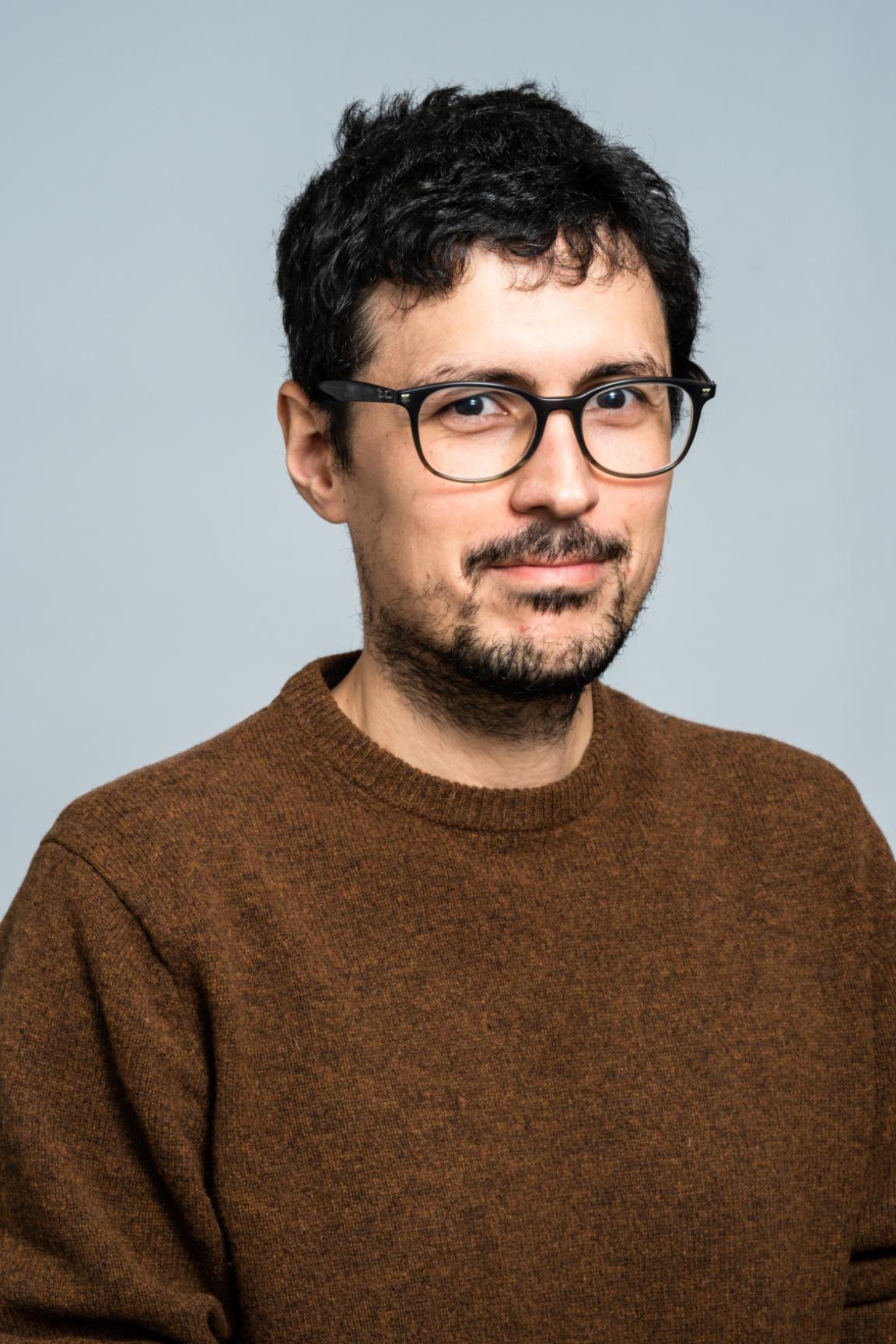
Xaquin Castro Dopico is a Research Specialist at Karolinska Institutet in the group of Gunilla Karlsson Hedestam and, since 2025, Assistant Professor of Veterinary Immunology at Aarhus University. In our project he contributes to the antibody and B cell analyses in WP3.
What motivated you to join EPIVINF?
We have spent many years studying how B cells and antibodies respond to HIV, influenza and SARS-CoV-2. EPIVINF gives us the opportunity to take this research a step further by exploring how these immune responses are linked to changes in the host’s epigenetic state. It also brings together patient cohorts, animal models and epigenomics expertise, allowing us to address research questions that would be difficult for any single laboratory to tackle on its own.
How does your expertise contribute to the objectives of the project?
Our expertise lies in studying the diversity of antibodies and identifying the inherited antibody genes that each person carries. This allows us to investigate whether a person’s genetic background, together with the epigenetic changes left behind by an infection, affects their ability to produce protective antibodies and how long these antibodies last. This work directly contributes to EPIVINF’s goal of understanding why different people respond differently to the same virus.
Can you share some of the key milestones of your work so far?
We received samples from people living with HIV and healthy individuals, collected by our partners at IrsiCaixa. Using these samples, we have studied how both groups respond to SARS-CoV-2 vaccination by measuring how well their antibodies recognise the virus and how effectively they can neutralise it.
However, linking these antibody responses to the characteristics of B and T cells has been more challenging due to sample quality. We are therefore exploring methods that require fewer intact cells, such as ATAC-seq, to investigate whether the immune cells of people living with HIV and healthy individuals show differences in their epigenetic profiles.
What are the main challenges you have encountered?
The main challenges have been related to sample handling and quality. The ethical and legal procedures required to transfer human samples between countries took longer than expected, delaying the start of our experimental work. In addition, low cell viability has limited some of the planned analyses. We were unable to obtain enough B cells to study antibody repertoires in sufficient detail, or enough B and T cells to carry out DNA methylation sequencing and bulk transcriptomics.
Looking ahead, one of the main scientific challenges will be to bring together antibody, epigenetic and clinical data from the same individuals to obtain clear and meaningful results.