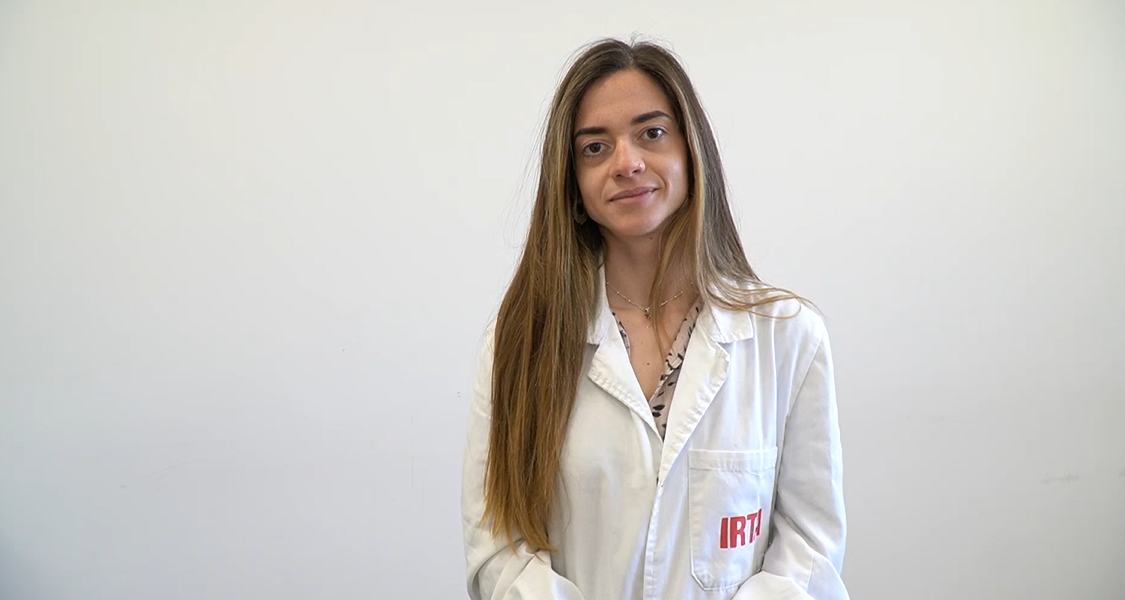
Carla Ruiz is a PhD student in the coronavirus group at IRTA-CReSA, under the supervision of Joaquim Segalés, Julia Vergara and Carla Usai.
1. How did you become interested in research?
My interest in research really began during my final year at university, and since then I’ve been passionate about understanding infectious diseases and their broader impact. During my final degree project, I studied the regulations involved in developing new therapeutic treatments. That experience opened my eyes to how essential animal models are in the development of therapies that benefit both animal and human health. It made me realize that research is a fundamental bridge between scientific discovery and real-world medical advances.
2. What does your typical workday look like?
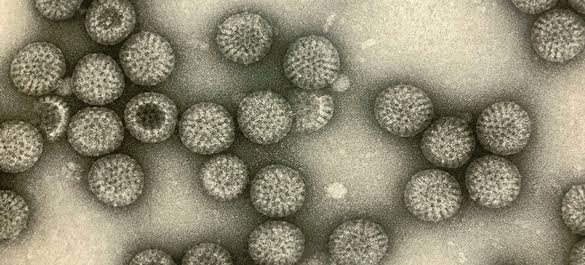
A large part of my work takes place in a high biocontainment BSL-3 laboratory, where I handle tissue samples from animals infected with SARS-CoV-2. In the lab, we use techniques such as qPCR to measure viral RNA levels, along with a range of immune assays to study inflammatory responses.
Beyond laboratory experiments, I also conduct and analyze behavioral tests to assess the neurocognitive effects of infection in animals. So my days are quite varied, they combine lab work, animal studies and data analysis.
3. What is the focus of your PhD research in the EPIVINF project?
Within the EPIVINF project, my research focuses on establishing an animal model to study the neurological effects of SARS-CoV-2 infection, particularly those associated with long COVID. The goal is to use this model to determine whether the epigenetic changes observed in vitro also occur in vivo. By doing so, we hope to gain a deeper understanding of the mechanisms underlying the disease and to evaluate potential therapeutic treatments more effectively.
4. What advice would you give to students considering starting a PhD?
Stay curious, persistent and proactive, but also be patient with yourself. A PhD comes with many challenges, and experiments don’t always go as planned. It’s important not to be afraid of admitting when you don’t know something. Asking questions and seeking guidance are some of the best ways to grow as a researcher.